Article: Detoxing Mold and Mycotoxins
Detoxing Mold and Mycotoxins
A review of the New Beginnings Nutritionals protocols to better understand when
and how to treat mold overgrowth and mycotoxin exposures.
By: Lindsay Goddard MS RD
Introduction
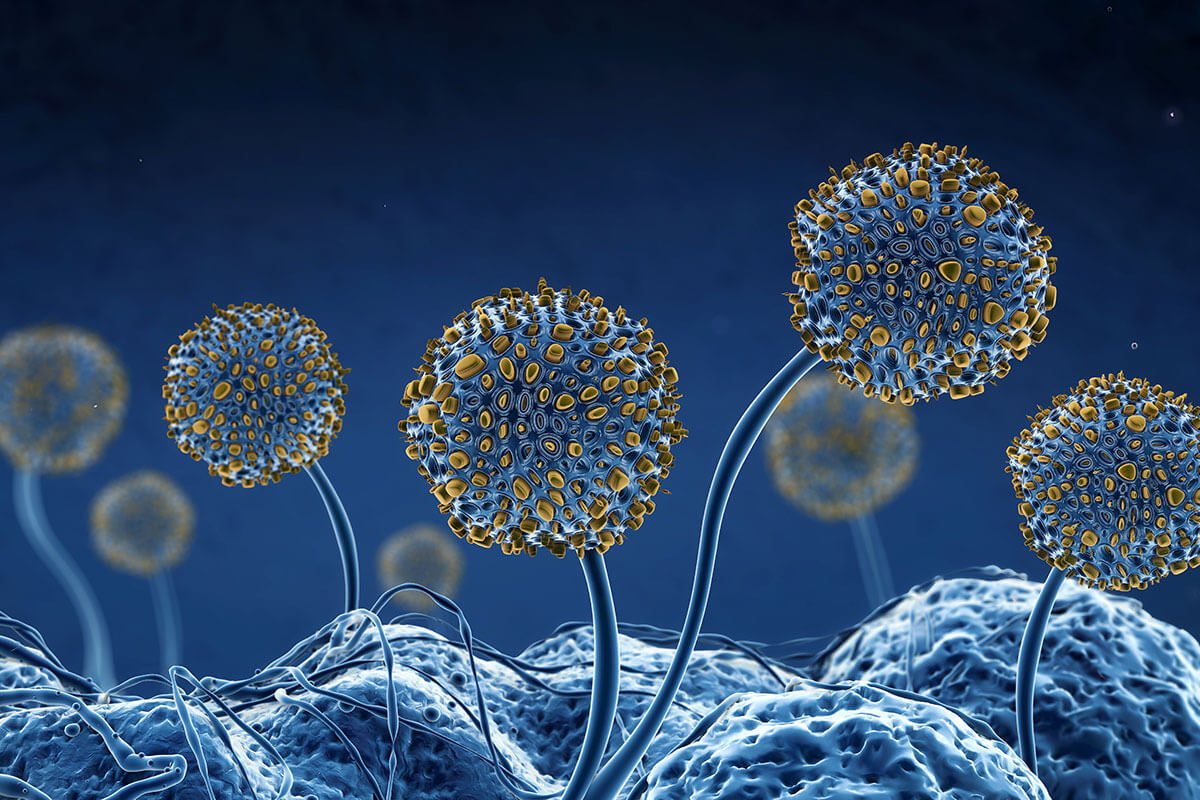
Certain molds, and the mycotoxins they produce, can seriously impact health. Molds and their chemical byproducts can wreak havoc on the body, causing individuals to become acutely or chronically ill. To reduce the adverse effects of these exposures, New Beginnings Nutritionals (NBN) has developed protocols to support the elimination of both molds and mycotoxins and further support healing from exposures. This article aims to
explain the benefits of these protocols and the evidence behind their use. Please note that remediation of any moldy building in which the patient has been exposed needs to be remediated for the treatment to be successful.
Exposure: A Brief Background
Mold overgrowth in the body and mycotoxin detoxification can be a complex process depending on the individual’s clinical picture and the types of mold/mycotoxin exposure. To be most effective in supporting the elimination of mold and mycotoxins, it is imperative to understand the pathways of exposure and how that translates into metabolism, detoxification, and elimination.
Mold and mycotoxin exposure can happen in three ways: ingestion, inhalation, and dermal absorption.

Molds
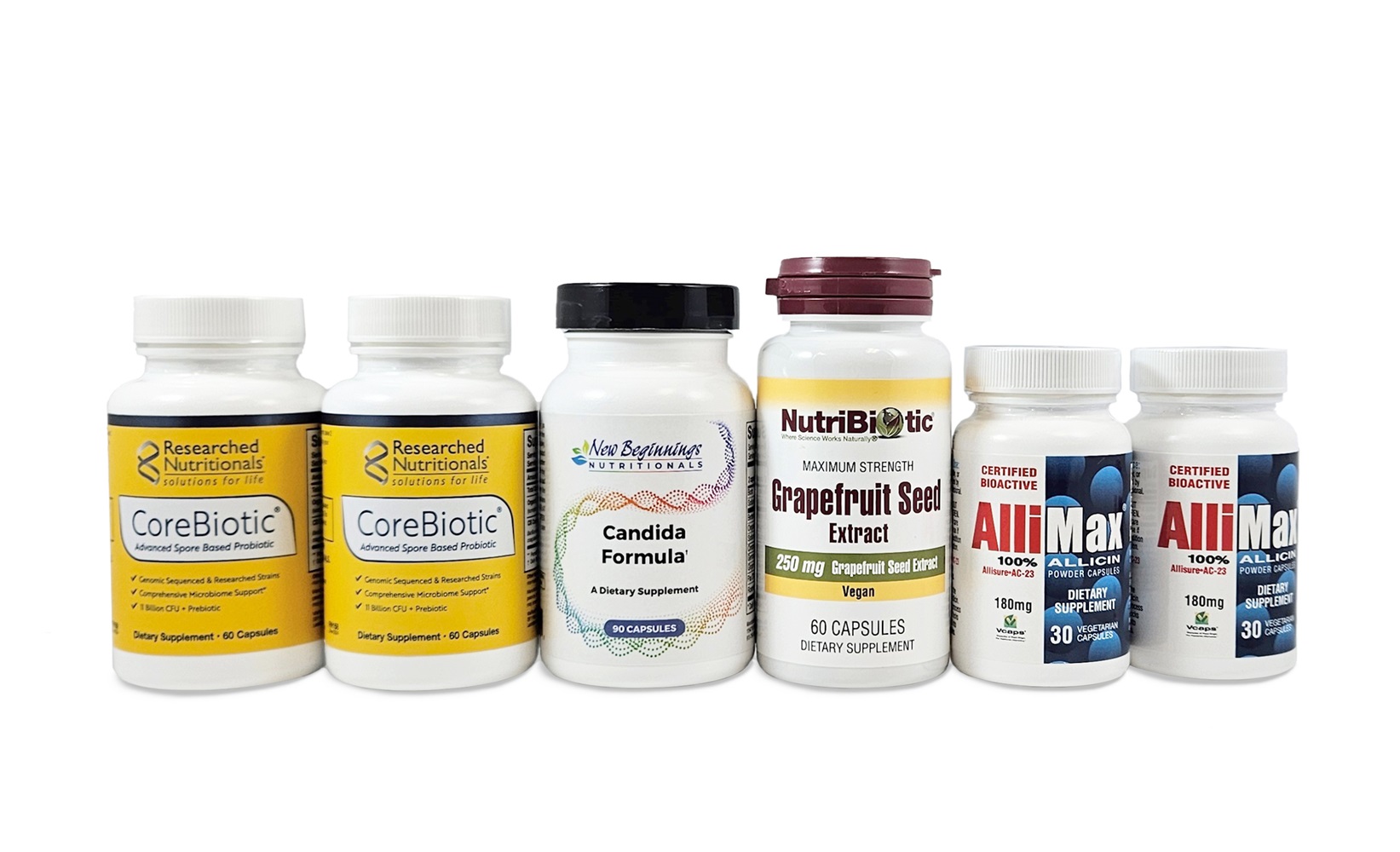
The spores the molds disperse are typically inhaled and/or ingested. Colonization, the term for the growth of an organism without causing systemic infection, typically occurs in the sinuses, pulmonary system, and the gastrointestinal (GI) tract. Symptoms can often give clues as to where one should be suspicious of growth. Based on the symptoms, additional testing may be warranted to determine if there is significant mold activity and the treatments that would be best. In rare cases, the mold may cause systemic infection in immunocompromised individuals, which may require PCR tests for mold species in blood. The Mold & Candida Colonization Packages (adult and children) from NBN can address the gut colonization, targeting various molds, and will be discussed in more detail below.
Mycotoxins
Mycotoxins can be inhaled, or absorbed through the skin, going into the bloodstream. They can also enter the body via the ingestion route, which can be from oral intake of food/beverage containing mycotoxins or inhalation, where they may either be absorbed systemically or directly eliminated via the stool. Metabolism of
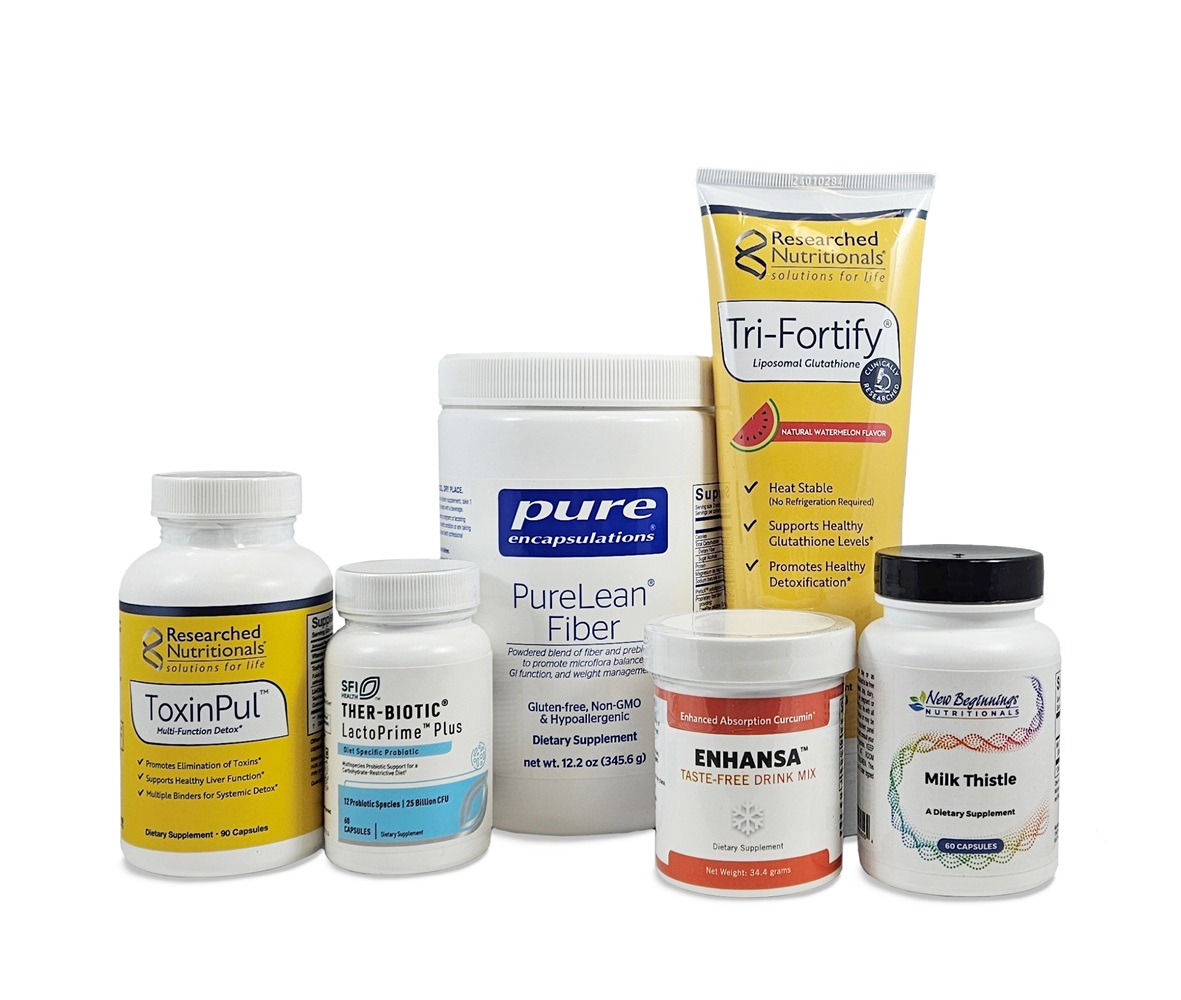
mycotoxins is a complex process and is highly variable based on the chemical properties of the mycotoxins, as well as the overall health of the individual. Trying to support these routes and increase metabolism and elimination is the goal of the NBN Advanced Mycotoxin Packages (adult and child).
It is important to note that mycotoxins can also be produced internally through mold colonization within the system. An interesting study performed by researchers at MD Anderson in Houston found that mycotoxin levels decreased with the initiation of antifungal therapy, and there was evidence of a continued decrease of mycotoxins with the continuation of antifungal treatment. If colonization or infection produces mycotoxins, the mold itself must be killed to eliminate this source of mycotoxin exposure.

Detoxification and elimination mechanisms
Mold spores, if they don’t have the opportunity to germinate and grow, may be eliminated mainly via the respiratory tract through mucociliary clearance and coughing, or through the GI tract via stool. Mycotoxins are a lot more complex and are processed and eliminated by the body in different ways, depending on the source of exposure and the chemical properties they possess.
When someone enters a space where mold spores and mycotoxins have been dispersed, there is potential for inhalation, allowing them to travel through the respiratory and gastrointestinal systems, as well as dermal absorption with contact. Systemic circulation of mycotoxins is common, but systemic mold infection is limited
to severe mold exposure or immune deficiency. There is also the potential for mold spores and mycotoxins to enter the GI tract, directly through consumption of mold-contaminated foods or beverages. The mycotoxins from various routes of exposure are then processed in the body by metabolism, detoxification, and elimination.
- Liver: Once transported to the liver from the bloodstream, certain mycotoxins can undergo biotransformation, where they go through phases 1 and 2 of detoxification, most commonly undergoing glucuronidation or glutathione conjugation in the second phase. Depending on their chemical properties, they may also get picked up by the bile, potentially undergoing enterohepatic recirculation, where they can get “stuck” in the recirculation phase. These chemically modified mycotoxins will not be detected by tests using mass spectrometry, which is why labs using this technology do not recommend glutathione prior to testing. Such provocation increases mycotoxins bound to glutathione but decreases unmodified mycotoxins.
- Renal: When mycotoxins enter the kidney from the bloodstream, some have the potential to be reabsorbed through the tubules, leading to bioaccumulation, or they can be eliminated via urine. In either scenario, the type of mycotoxin, its chemical properties, and the health of the individual are significant factors that will influence the pathway.
- Respiratory: Inhaled mycotoxins can be expelled from the body through mucociliary clearance, coughing, and expectoration if they do not go through systemic circulation.
- Skin elimination: Certain mycotoxins absorbed through the skin may be eliminated through sweat by exercise or sauna treatment or may be lost by shedding skin cells.
Now that the pathways of exposure, metabolism, and elimination are understood, the protocols designed for NBN will be reviewed, keeping these concepts in mind.
Advanced Mycotoxin Package

Mold & Candida Colonization Package

*Each botanical supplement should be rotated one at a time, on a weekly basis to prevent resistance
Supporting Detoxification Pathways
During the detoxification stages, many mycotoxins first undergo oxidation followed by glutathione conjugation or glucuronidation. Supporting these pathways is a primary focus of the Advanced Mycotoxin Packages:
Glutathione: Glutathione should be a supplement used with mycotoxin exposure for several reasons. It is a potent antioxidant which helps with oxidative stress. It detoxifies many mycotoxins by forming conjugates of mycotoxins that are more water-soluble and therefore easily excreted in the urine. In addition, some of the most common mycotoxins (like ochratoxin A) can down-regulate the formation of the rate-limiting enzyme in
glutathione synthesis, which will result in a reduction in the intracellular level of glutathione.
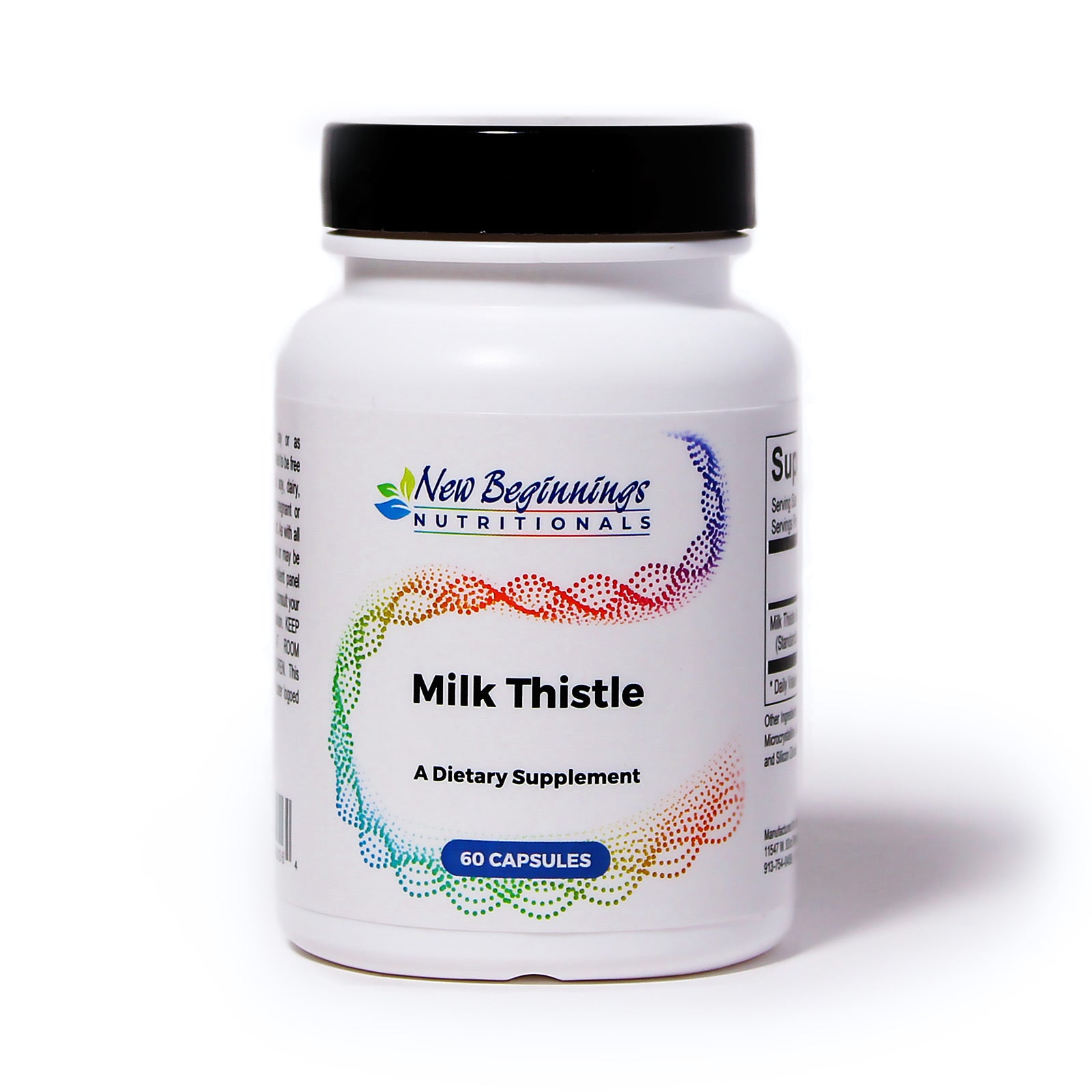
Calcium d-glucarate /Curcumin/Milk thistle: Calcium d-glucarate and curcumin (in the pediatric package) are needed to support the liver’s phase 2 glucuronidation pathway, which reduces the toxicity of mycotoxins and renders them water soluble so they
can be easily eliminated. Milk thistle is also added to protect and give extra support to this already overburdened organ.
Binders
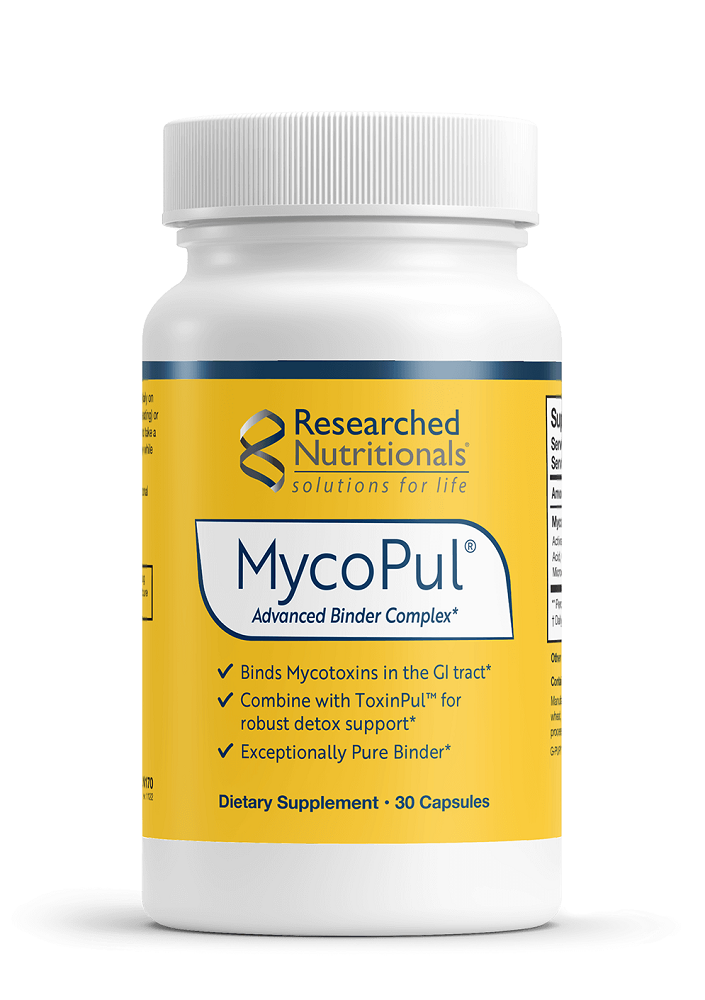
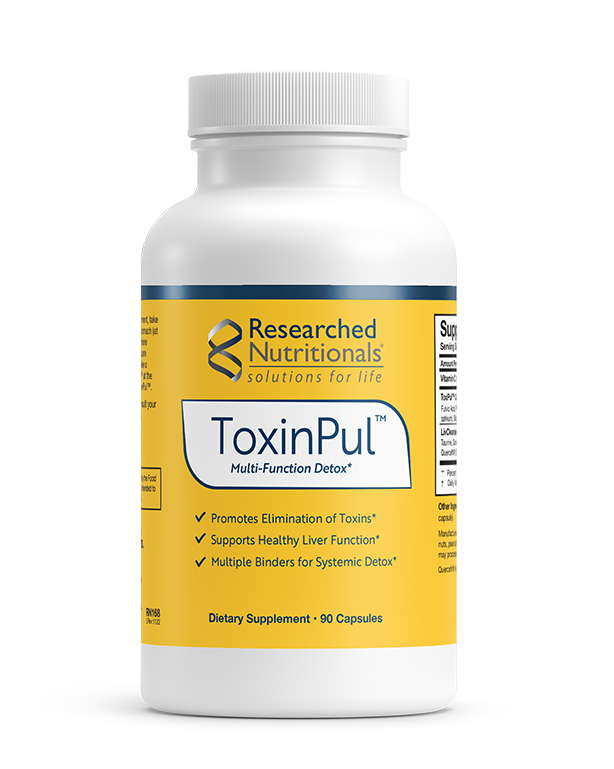
Ingested mycotoxins in the gastrointestinal tract can either be absorbed, or eliminated via stool. The binders in MycoPul® and ToxinPul® help ensure the mycotoxins are eliminated via the stool, rather than absorbed.
Activated charcoal and clays tend to be the best adsorbers of mycotoxins. However, micronutrients and oral pharmaceuticals may also be adsorbed so these binders should be taken at least two hours before or after supplements and pharmaceuticals. MycoPul® may cause constipation so to maintain regular bowel movements it may be helpful to alternate with less-constipating ToxinPul® . ToxinPul® also contains other binders, such as chlorella and humic acids, increasing the binding capacity for other mycotoxins.
The fiber (PureLean® Fiber) not only binds to mycotoxins directly, but it also aids in detoxification by binding to the bile acids, pulling the mycotoxins (and potentially other toxins and toxicants) attached to the bile out of the hepatic recirculation. The fiber with attached bile salts and mycotoxins are then eliminated in the stool. Fiber also aids in supporting healthy GI motility, lining, and the microbiome. L-Taurine is included to help support the liver’s bile production, adding additional organ support needed during detoxification.
Gut Health
Mold spores traveling through the GI tract have the potential to proliferate in the intestines, and if the mold is able to colonize, this must be addressed since it can be a continued source of mycotoxin exposure. Many have had success with rotating herbs and botanical extracts to address colonization, but if severe mold is present, pharmaceuticals like itraconazole may be warranted.
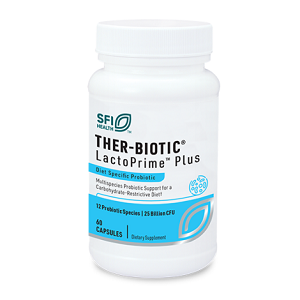
Mycotoxins are known antimicrobials, designed to be defense mechanisms for mold. Due to these antimicrobial properties, they have been shown to be detrimental to the gut microbiome. As a result, there is a need to support the microbiome during this process with high quality probiotics (LactoPrime Plus). There is also evidence demonstrating certain probiotics can help break down mycotoxins (Lactobacillus brevis and L. plantarum), which can further support their elimination.
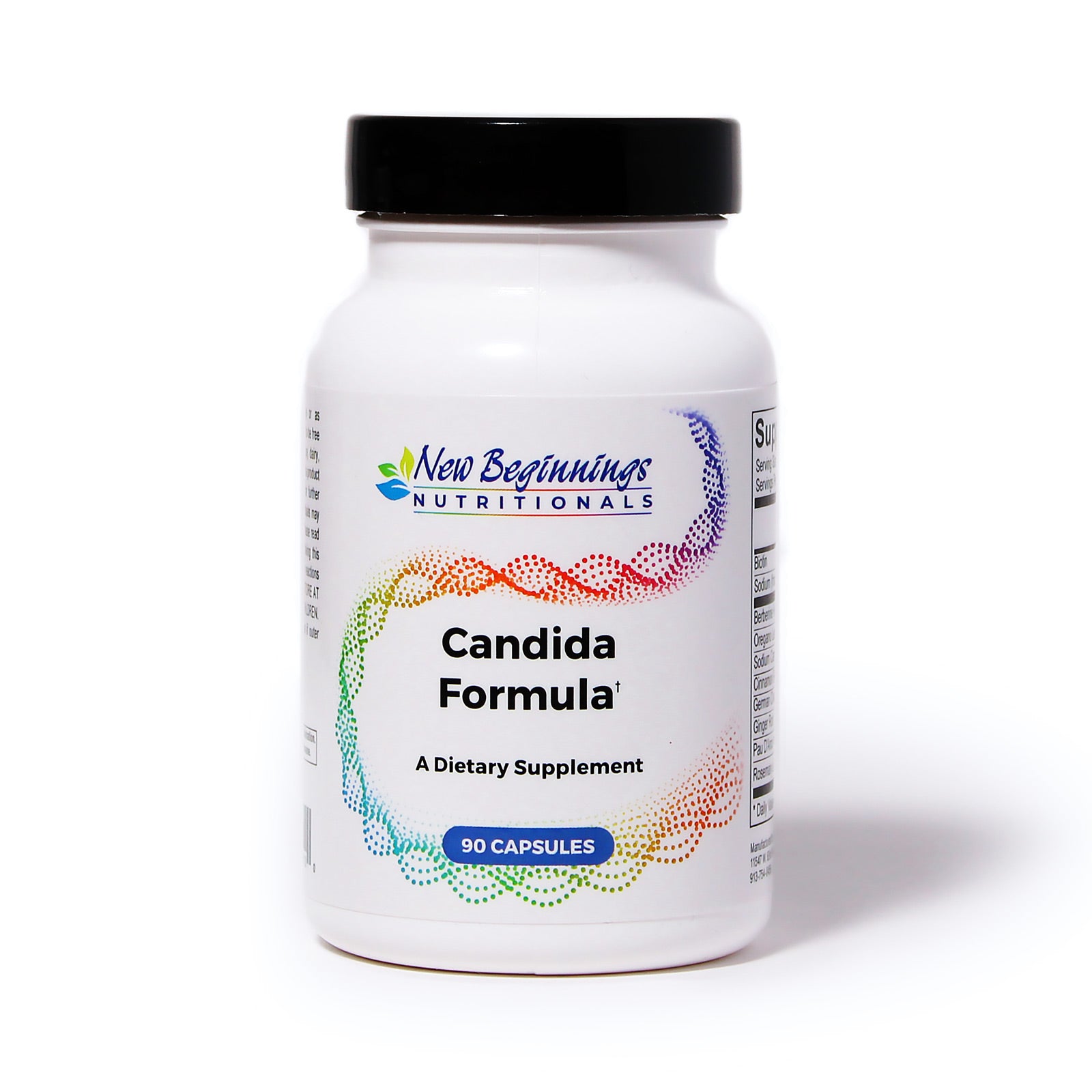
The Mold & Candida Colonization Packages (adult and children) were created with potent botanical extracts that are known for their strong antifungal properties. The protocol using this package involves weekly rotation to prevent resistance, which may be a concern during treatment. This package offers a natural option to help treat not just colonized mold, but other harmful organisms that may exist, including candida. If running
MosaicDx Organic Acid Test (OAT), the furan markers, tartaric acid, and oxalic acid are potential markers pointing to the presence of Aspergillus mold in the gastrointestinal tract.
The sequence of the antimicrobial or detoxification regimen is often questioned, and it’s difficult to confirm which is ideal, as it will likely depend on the patient’s tolerance and situation. Some patients can handle the killing phase (Mold & Candida Colonization Packages (adult and children)) first and use the detoxification support (Advanced Mycotoxin Packages (adult and child)) after treatment. While others need the
detoxification support first, then the killing phase once able to tolerate other interventions. Regardless, if colonized mold is not addressed, the symptoms are likely to persist. Also, if an individual is still in the moldy environment, initiating the killing phase may not be ideal since the potential for another overgrowth is much greater, and the potential for resistance may increase. With the numerous variables, it is difficult to say which
way is better, but taking the whole clinical picture and what’s optimal for the patient should provide guidance. You can also reach out to NBN for further support.

Conclusion:
In conclusion, metabolizing, detoxifying, and eliminating mold and mycotoxins involves various strategies within the body. Support aimed at liver function, enhancing bile acid production, and promoting healthy bowel movements are essential for facilitating the safe elimination of mycotoxins from the body. Additionally, addressing fungal colonization in the gut using antimicrobial treatment and toxin binding should also be considered in managing mycotoxin exposures. Remember, the source of these mycotoxins must be
eliminated, and without eliminating the sources, these interventions will only be a band-aid to the problem.
With the help of clinicians and consultants, NBN has developed these protocols to support these aspects of mold and mycotoxin exposure for the purpose of providing the best patient outcomes.
Disclaimer: This article was written to present a broad overview of mold and mycotoxin pathways of detoxification as it relates to the supplement packages created by NBN. It is by no means exhaustive and should only be used as education on the aforementioned packages. It is at the discretion of the provider to determine when to use these protocols and what additional supports may be warranted.
References:
- Dann RE, Mitscher LA, Couri D. The in vivo metabolism of 14 C-labeled aflatoxins B 1, B 2, G 1 in rats. Res Commun Chem Pathol Pharmacol. 1972;3(3):667-675.
- Dani, A. (2014). Colonization and infection. Central European Journal of Urology, 67(1), 86-https://doi.org/10.5173/ceju.2014.01.art19
- Anzai N, Jutabha P, Endou H. Molecular mechanism of ochratoxin a transport in the kidney. Toxins (Basel). 2010;2(6):1381-1398. doi:10.3390/toxins2061381
- Lewis RE, Wiederhold NP, Chi J, et al. Detection of gliotoxin in experimental and human aspergillosis. Infect Immun. 2005;73(1):635-637. doi:10.1128/IAI.73.1.635-637.2005
- Ardeshir Mohaghegh,Mohammad Chamani,Mahmoud Shivazad,Ali Asghar Sadeghi &Nazar Afzali. “Effect of Esterified Glucomannan on Broilers Exposed to Natural Mycotoxin-Contaminated Diets.” Taylor & Francis, www.tandfonline.com/doi/full/10.1080/09712119.2016.1174122.
- D. Lloyd-Jones, R. Adams, et al. “Impact of Daily Chlorella Consumption on Serum Lipid and Carotenoid Profiles in Mildly Hypercholesterolemic Adults: a Double-Blinded, Randomized, Placebo-Controlled Study.” Nutrition Journal, BioMed Central, 1 Jan. 1970, nutritionj.biomedcentral.com/articles/10.1186/1475-2891-13-57#:~:text=The%20Chlorella%20tablet%20(650%20mg,and%202.4%20g%20chlorophylls%20%5B10%5D.
- Devreese M;Girgis GN;Tran ST;De Baere S;De Backer P;Croubels S;Smith TK; “The Effects of Feed-Borne Fusarium Mycotoxins and Glucomannan in Turkey Poults Based on Specific and Non-Specific Parameters.” Food and Chemical Toxicology: an International Journal Published for the British Industrial Biological Research Association, US National Library of Medicine, pubmed.ncbi.nlm.nih.gov/24200858/.
- El Khoury, Rhoda, et al. “OTA Prevention and Detoxification by Actinobacterial Strains and Activated Carbon Fibers: Preliminary Results.” MDPI, Multidisciplinary Digital Publishing Institute, 24 Mar. 2018, www.mdpi.com/2072-6651/10/4/137.
- Hamidi, Adel, et al. “The Aflatoxin B1 Isolating Potential of Two Lactic Acid Bacteria.” Asian Pacific Journal of Tropical Biomedicine, vol. 3, no. 9, 2013, pp. 732–736., doi:10.1016/s2221-1691(13)60147-1.
- Hope, Janette. “A Review of the Mechanism of Injury and Treatment Approaches for Illness Resulting from Exposure to Water-Damaged Buildings, Mold, and Mycotoxins.” The Scientific World Journal, Hindawi, 18 Apr. 2013, www.hindawi.com/journals/tswj/2013/767482/.
- J;, Santos RR;Vermeulen S;Haritova A;Fink-Gremmels. “Isotherm Modeling of Organic Activated Bentonite and Humic Acid Polymer Used as Mycotoxin Adsorbents.” Food Additives & Contaminants. Part A, Chemistry, Analysis, Control, Exposure & Risk Assessment, US National Library of Medicine, pubmed.ncbi.nlm.nih.gov/21770846/.
- Jay Y. Jacela, DVM; Joel M. DeRouchey, Ph.D.; Mike D. Tokach, Ph.D.; Robert D. Goodband, Ph.D.; Jim L. Nelssen, Ph.D.; David G. Renter, DVM, Ph.D.; Steve S. Dritz, DVM, Ph.D. Fact Sheet: Mold Inhibitors, Mycotoxin Binders, and Antioxidants, www.aasv.org/shap/issues/v18n1/v18n1p30.html#:~:text=Mycotoxin%20binders%20or%20adsorbents%20are,and%20into%20the%20blood%20circulation.&text=These%20are%20natural%20adsorbents%20that,and%20zeolite%20(Table%202).
- Swidsinski, A., Dörffel, Y., Loening-Baucke, V., Gille, C., Reißhauer, A., Göktas, O., Krüger, M., Neuhaus, J., & Schrödl, W. (2017). Impact of humic acids on the colonic microbiome in healthy volunteers. World journal of gastroenterology, 23(5), 885–890. https://doi.org/10.3748/wjg.v23.i5.885
- Jubert, Carole, et al. “Effects of Chlorophyll and Chlorophyllin on Low-Dose Aflatoxin B(1) Pharmacokinetics in Human Volunteers.” Cancer Prevention Research (Philadelphia, Pa.), US National Library of Medicine, Dec. 2009, www.ncbi.nlm.nih.gov/pmc/articles/PMC5314947/.
- Kerkadi A;Barriault C;Tuchweber B;Frohlich AA;Marquardt RR;Bouchard G;Yousef IM; “Dietary Cholestyramine Reduces Ochratoxin A-Induced Nephrotoxicity in the Rat by Decreasing Plasma Levels and Enhancing Fecal Excretion of the Toxin.” Journal of Toxicology and Environmental Health. Part A, U.S. National Library of Medicine, pubmed.ncbi.nlm.nih.gov/9482354/.
- Kraljević Pavelić, Sandra, et al. “Critical Review on Zeolite Clinoptilolite Safety and Medical Applications in Vivo.” Frontiers in Pharmacology, Frontiers Media SA, 27 Nov. 2018, www.ncbi.nlm.nih.gov/pmc/articles/PMC6277462/.
- L,Haus M;Žatko D;Vašková J;Vaško. “The Effect of Humic Acid in Chronic Deoxynivalenol Intoxication.” Environmental Science and Pollution Research International, US National Library of Medicine, pubmed.ncbi.nlm.nih.gov/32851525/.
- Li, Yan, et al. “Research Progress on the Raw and Modified Montmorillonites as Adsorbents for Mycotoxins: A Review.” Applied Clay Science, Elsevier, 30 July 2018, www.sciencedirect.com/science/article/abs/pii/S0169131718303387.
- Rotter, R G, et al. “Influence of Dietary Charcoal on Ochratoxin A Toxicity in Leghorn Chicks.” Canadian Journal of Veterinary Research = Revue Canadienne De Recherche Veterinaire, U.S. National Library of Medicine, Oct. 1989, www.ncbi.nlm.nih.gov/pmc/articles/PMC1255575/.
- Vahouny, George V., et al. “Dietary Fibers: V. Binding of Bile Salts, Phospholipids and Cholesterol from Mixed Micelles by Bile Acid Sequestrants and Dietary Fibers.” Lipids, vol. 15, no. 12, 1980, pp. 1012–1018., doi:10.1007/bf02534316.
- Naumann, Susanne, et al. “In Vitro Interactions of Dietary Fibre Enriched Food Ingredients with Primary and Secondary Bile Acids.” Nutrients, vol. 11, no. 6, 2019, p. 1424., doi:10.3390/nu11061424.
- Wang JS; Luo H; Billam M; Wang Z; Guan H; Tang L; Goldston T; Afriyie-Gyawu E; Lovett C; Griswold J; Brattin B; Taylor RJ; Huebner HJ; Phillips TD; “Short-Term Safety Evaluation of Processed Calcium Montmorillonite Clay (NovaSil) in Humans.” Food Additives and Contaminants, US National Library of Medicine, pubmed.ncbi.nlm.nih.gov/16019795/.
- Yang, Hsin-Ling, et al. “Humic Acid Induces Apoptosis in Human Premyelocytic Leukemia HL-60 Cells.” Life Sciences, Pergamon, 25 June 2004, www.sciencedirect.com/science/article/abs/pii/S0024320504004874.
- Fufa, Bulti Kumera. “Anti-bacterial and Anti-fungal Properties of Garlic Extract (Allium sativum): A Review.” Microbiology Research Journal International (2019): n. pag.
- Avato P, Tursil E, Vitali C, Miccolis V, Candido V. Allylsulfide constituents of garlic volatile oil as antimicrobial agents. Phytomedicine. 2000;7(3):239-243. doi:10.1016/s0944-7113(00)80010-0
- Fernández, Mariela A. et al. “Organo-montmorillonite with biogenic compounds to be applied in antifungal coatings.” Applied Clay Science (2020)
- Gupta, Pooja D., Birdi, Tannaz J. (2017) Development of botanicals to combat antibiotic resistance. Journal of Ayurveda and Integrative Medicine, 8 (4) 266-275.https://doi.org/10.1016/j.jaim.2017.05.004.
- López-Ruiz R, Marin-Saez J, Cunha SC, Fernandes A, de Freitas V, Viegas O, Ferreira IMPLVO. Investigating the Impact of Dietary Fibers on Mycotoxin Bioaccessibility during In Vitro Biscuit Digestion and Metabolites Identification. Foods. 2023 Aug 23;12(17):3175. doi: 10.3390/foods12173175. PMID: 37685107; PMCID: PMC10486935
- Silvestrini A, Giordani C, Bonacci S, Giuliani A, Ramini D, Matacchione G, Sabbatinelli J, Di Valerio S, Pacetti D, Procopio AD, Procopio A, Rippo MR. Anti-Inflammatory Effects of Olive Leaf Extract and Its Bioactive Compounds Oleacin and Oleuropein-Aglycone on Senescent Endothelial and Small Airway Epithelial Cells. Antioxidants (Basel). 2023 Jul 28;12(8):1509. doi: 10.3390/antiox12081509. PMID: 37627504; PMCID: PMC10451521.
- Cowan MM. Plant products as antimicrobial agents. Clin Microbiol Rev. 1999 Oct;12(4):564-82. doi: 10.1128/CMR.12.4.564. PMID: 10515903; PMCID: PMC88925.
- da Silva AR, de Andrade Neto JB, da Silva CR, Campos Rde S, Costa Silva RA, Freitas DD, do Nascimento FB, de Andrade LN, Sampaio LS, Grangeiro TB, Magalhães HI, Cavalcanti BC, de Moraes MO, Nobre Júnior HV. Berberine Antifungal Activity in Fluconazole-Resistant Pathogenic Yeasts: Action Mechanism Evaluated by Flow Cytometry and Biofilm Growth Inhibition in Candida spp. Antimicrob Agents Chemother. 2016 May 23;60(6):3551-7. doi: 10.1128/AAC.01846-15. PMID: 27021328; PMCID: PMC4879420.
- Vaezi A, Moghadaszadeh M, Nasri E, Gharibi S, Diba K, Matkowski A, Fakhim H. In vitro activity of juglone (5-hydroxy-1,4-naphthoquinone) against both fluconazole-resistant and susceptible Candida isolates. Rev Iberoam Micol. 2022 Apr-Jun;39(2):50-53. doi: 10.1016/j.riam.2022.01.004. Epub 2022 Jun 11. PMID: 35701335.
- Sharma M, Sharma M, Sharma M. A comprehensive review on ethnobotanical, medicinal and nutritional potential of walnut (Juglans regia L.). Proc.Indian Natl. Sci. Acad. 2022;88(4):601–16. doi: 10.1007/s43538-022-00119-9. Epub 2022 Sep 22. PMCID: PMC9510174.